Getting Started
Package Bees vs. Nucs: Which Should a Beginner Buy?
Packages or nucs? Compare cost, install difficulty, disease risk, and head start to pick the right way to start your first hive.
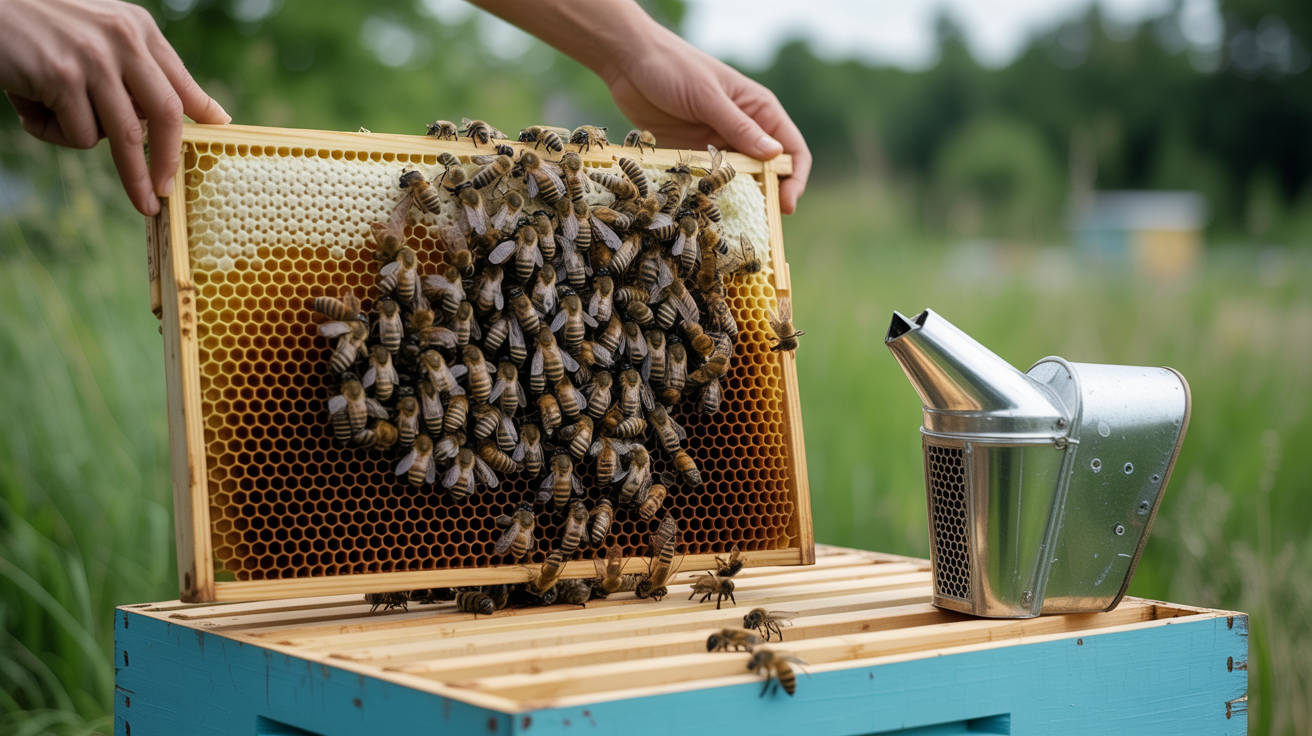
A package is roughly three pounds of loose bees (about 10,000 workers) shipped in a screened wooden box, plus a separate caged queen the bees haven't fully accepted yet. A nucleus colony, or nuc, is a small but complete working hive: typically five frames of drawn comb holding brood, honey, pollen, and a laying queen the colony already knows and follows. Both options get you bees; the experience of using them is quite different.
Understanding those differences before you order will save you a lot of anxiety in spring. Here is a straightforward comparison of both options so you can pick the right one for your situation.
At a Glance
- A package is loose bees plus an unaccepted caged queen; a nuc is a working five-frame colony with brood, stores, and a laying queen already in charge.
- Packages cost $150 to $200; nucs run $200 to $280, but that premium buys a four to six week head start.
- Installing a package carries queen-rejection risk; installing a nuc is closer to a straight frame transfer.
- Nucs carry more disease risk from used comb; packages carry more risk from a failed queen introduction and shipping stress.
- For most beginners, a local nuc is the safer first colony. A package makes more sense for specific genetics, fresh comb, or a tighter budget.
- Order by January for spring delivery either way; both sell out months ahead of the season.
What Exactly Is a Package?
A package is assembled by a large-scale bee producer, usually in the Southeast United States or California, and shipped via USPS Priority Mail. You pick it up at the post office or a local pickup point, and you have a day or two to install the bees before stress and heat take a toll.
The queen is confined in a small wooden cage plugged with a candy plug. After you place the package in your hive body, the workers eat through the candy over two to five days, slowly releasing the queen. This gradual introduction gives the colony time to accept her pheromones. If all goes well, she starts laying within a week of installation.
The catch is that a package gives you no comb, no stored food, and no brood. The bees must start from scratch: draw wax, store nectar, and raise their first generation of locally-hatched workers. It takes six to eight weeks before the population stabilizes.
What Exactly Is a Nuc?
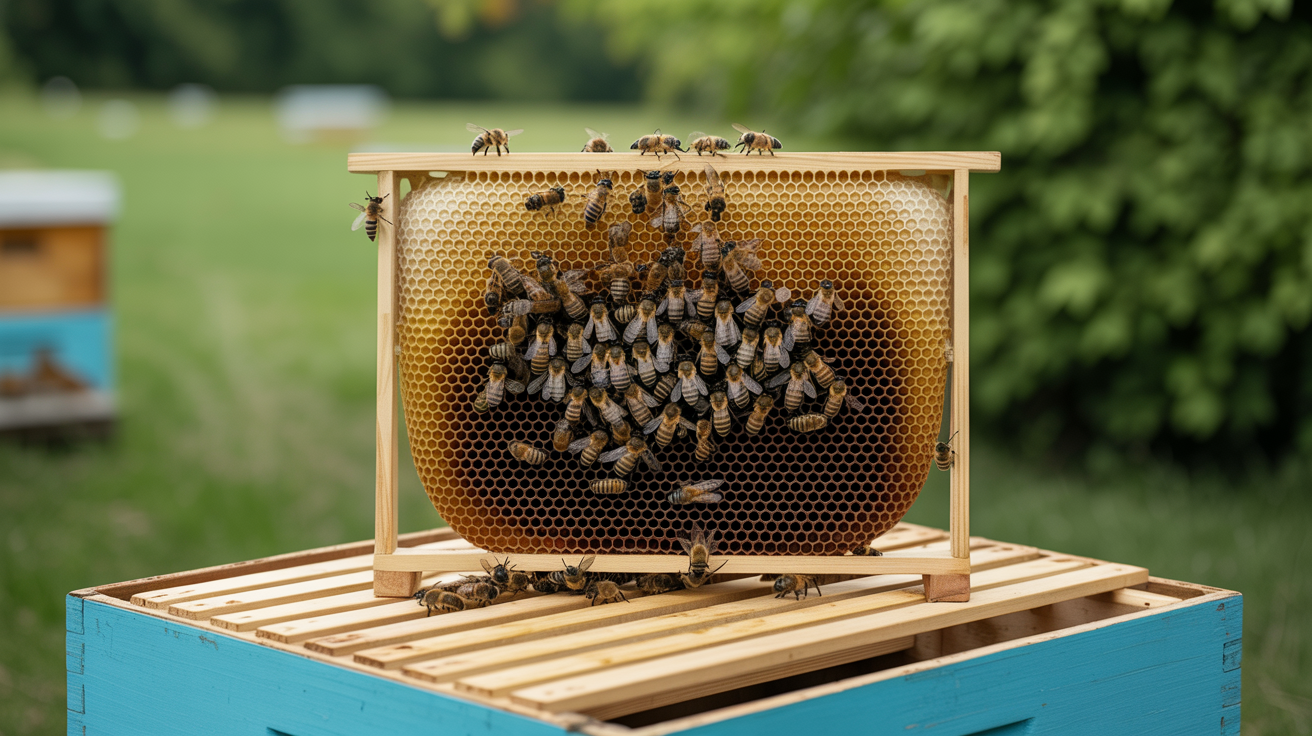
A nuc comes from a local or regional beekeeper who splits an established colony. You usually pick it up rather than receive it by mail. The five frames you get already contain:
- Eggs, young larvae, and capped brood in various stages
- Honey and pollen to feed the growing population
- A queen who has been laying in this specific colony for weeks
Because the queen is already accepted and the brood cycle is already running, a nuc hits the ground running. Population grows immediately rather than waiting for the first generation to hatch. Most beekeepers report that a nuc installed in April looks like a thriving colony by June, while a package installed the same week is still building up.
UF/IFAS Extension frames the practical difference in feeding terms: a nuc already carries some of its own honey and pollen stores, so it typically needs less supplemental feeding to get established, while a package usually needs more feed, and for longer, since it's drawing comb from nothing.
Side-by-Side Comparison
| Factor | Package | Nuc |
|---|---|---|
| What it is | Loose bees + caged queen, no comb | 5 frames of brood, honey, bees, laying queen |
| Typical cost | $150–$200 | $200–$280 |
| Head start | None; builds from zero | 4–6 weeks ahead at install |
| Install difficulty | Moderate; requires a shaking step | Easy; frames transfer directly |
| Disease risk | Lower (no comb from unknown source) | Higher if seller's equipment is contaminated |
| Shipped or picked up | Usually shipped | Almost always local pickup |
| Best for | Specific genetics, comb-building, lower cost | Beginners, short seasons, reliable buildup |
Which One Fits Your Situation
| Your Situation | Better Choice | Why |
|---|---|---|
| First hive ever, want the safest start | Nuc | Established queen and brood remove the biggest failure point |
| Tight budget, willing to accept slower buildup | Package | $50–$80 cheaper upfront |
| Want a specific genetic line (Italian, Carniolan, VSH) | Package | Nucs are limited to what the local seller happens to be splitting |
| Short growing season, need a strong colony fast | Nuc | 4–6 week head start matters most where the flow window is narrow |
| No local nuc seller within reasonable driving distance | Package | Shipping is routine; hauling a nuc long distances is harder on the bees |
| Starting a second hive, already comfortable with installs | Either | Consider one of each to compare and hedge your risk |
Real Pros and Cons
Packages: The Case For and Against
Advantages:
- Lower upfront cost
- No used comb means zero risk of inheriting American foulbrood spores or wax moth damage
- Available in specific genetic lines (Italian, Carniolan, Russian, VSH) from reputable producers
- Lets bees draw fresh foundation, which some beekeepers prefer for foundationless or natural-comb setups
Disadvantages:
- The queen rejection window is real. If the colony kills the caged queen before she is released, you are left with a queenless box of bees and a tight timeline to fix it.
- Buildup is slow. A package installed late (after mid-April in most of the U.S.) may miss the main nectar flow entirely.
- Shipping stress can cause high initial die-off. You may open the package to find a cup of dead bees on the floor.
- The queen is not locally adapted. She was raised in a different climate and may not match your region's bloom schedule.
Nucs: The Case For and Against
Advantages:
- The queen is already laying, already accepted, and often locally bred
- Brood in multiple stages means the population never dips; it only grows
- Easier installation: lift, transfer, done
- Better odds of producing surplus honey in year one
Disadvantages:
- Higher cost
- Disease risk from used comb (see the inspection checklist below)
- Availability is limited to local producers, so your options depend on who is near you
- Five frames in a ten-frame box means you will need to manage the empty space to discourage small hive beetles
How to Install Each One
Installing a Package
You will need your hive assembled and ready, a spray bottle of 1:1 sugar syrup, and your smoker.
- Lightly mist the screened sides of the package so the bees have something to eat during handling.
- Remove the wooden feeder can (it will be lodged in the top) and quickly cover the hole with your hand.
- Pull out the queen cage and confirm she is alive. Set her aside.
- Shake the bees directly into the hive body over the frames. Most will fall in; do not worry about stragglers.
- Suspend the queen cage between two center frames, candy end down, with the screen exposed so workers can reach her.
- Place the remaining frames gently, add a top feeder filled with syrup, and close the hive.
- Check in five days to confirm the queen has been released and is laying.
If she hasn't been released by day five, check whether the candy has hardened (common in cool weather) and, if so, carefully puncture it with a toothpick to help the process along. Don't release her manually by pulling the cork; a colony that hasn't fully accepted her scent yet may still ball or kill her.
Installing a Nuc
- Set up your full hive body at the permanent location first.
- Light your smoker and suit up.
- Open the nuc box. Transfer the five frames in the same order they were in the nuc, keeping the queen's frame in the center.
- Fill the remaining five slots with your drawn comb or new frames with foundation.
- Check that the queen is present and walking normally.
- Close the hive, add a top feeder, and leave them alone for a week.
That is the whole process. No shaking, no candy plug, no queen acceptance gamble. Texas A&M AgriLife Extension's guide to purchasing and installing bees makes the same point beginners often miss: buying either a package or a nuc from an established beekeeper, rather than only relying on a caught swarm, gives you far more control over the colony's genetics and temperament from day one, which matters most for anyone with little bee-handling experience or close neighbors.
When to Order (Earlier Than You Think)
Both packages and nucs sell out fast. Reputable producers often open their order books in November or December for spring delivery. If you wait until March to start looking, your choices shrink to whoever still has stock, which usually means less-vetted sellers.
General ordering timeline:
- November–January: Order packages from a reputable supplier; secure a nuc reservation with a local beekeeper
- March–April: Packages ship; nuc pickup dates are confirmed
- April–May: Ideal installation window in most of the continental U.S. (earlier in the South, later in the North)
A late installation hurts a package much more than a nuc. If you are ordering after January and your spring is short, a nuc is the safer choice because it can still build up fast enough to overwinter successfully.
How to Find a Reputable Supplier
Questions to Ask Before You Buy
- How long have you been producing bees in this region?
- Are your colonies tested or treated for Varroa mites? What method?
- Are your queens locally raised, or do they come from a package producer?
- Can I pick up the nuc in person rather than ship?
- What is your policy if the queen is dead on arrival or fails within 30 days?
- Have you had any American foulbrood in your operation in the past three years?
- Will you let me inspect the nuc before I pay and take it?
A seller who hesitates on that last question is a seller you should skip.
Inspecting a Nuc Before You Buy
If you can, bring an experienced beekeeper with you for a nuc pickup. Open the box and look at the brood frames:
- Healthy brood looks pearly white and sits in a C-shape in capped or uncapped cells. Capped cells should be slightly domed, not sunken.
- American foulbrood turns larvae dark brown and ropy. Poke a capped cell with a twig; healthy brood pops back, infected brood stretches into a long string.
- Chalkbrood shows as hard, chalky white or grey mummies in or near cells.
- Varroa mites are visible as small reddish-brown specks on adult bees, especially on the thorax. A few mites are manageable; a heavily infested colony is not a good start.
If anything looks off, walk away. There will be another nuc. Most state departments of agriculture also require apiary registration and periodic inspection, so it's reasonable to ask a nuc seller for their most recent state inspection date and result before you commit.
Recommendation for First-Year Beekeepers
If you have access to a local nuc from a beekeeper you can meet in person, buy the nuc. The faster buildup, the pre-accepted queen, and the easier installation reduce the number of things that can go wrong in your first weeks. A package that loses its queen in week one can derail a beginner's whole season and enthusiasm.
Packages make good sense when you want to start fresh comb (no used foundation), when you are chasing a specific genetic line not available locally, or when your budget is tight and you accept that year one may be slower. They are also a reasonable choice if you are starting a second or third hive and already have some experience reading frames.
If you are starting two hives, consider ordering one of each. You will learn from both, and the nuc can donate frames to the package if it falls behind.
For more on getting set up, see how to start beekeeping, and for a full breakdown of what you will spend in year one, first-year costs covers equipment, bees, and ongoing supplies. Once you have your bees ordered, choosing a hive spot is the next thing to sort out.
Frequently Asked Questions
Which is better for beginners, a package or a nuc?
For most beginners, a nuc is the better starting point. The queen is already laying, the colony is already functioning, and installation is straightforward. A package requires a successful queen introduction, which adds a variable that can go wrong even for experienced beekeepers. The higher cost of a nuc is usually worth the reduced risk of a failed first season.
When should I order bees?
Order in winter, ideally by January, for spring delivery. Both packages and nucs from reputable producers sell out months in advance. Waiting until March narrows your options significantly. If you have missed the early window, contact local beekeeping clubs; members sometimes have late splits available.
Can I start a hive from a captured swarm instead?
Yes, and a swarm is free. If you catch a swarm in spring, you get a queen and bees that are already clustered together and ready to build. The downsides: swarms are unpredictable (you cannot plan around them), the queen's genetics are unknown, and a late swarm may not build up enough to overwinter. Most beginners plan for a package or nuc and treat any swarm opportunity as a bonus.
How soon will a package or nuc make honey?
In most cases, a healthy nuc installed in April can produce a small surplus by mid-summer and a reasonable harvest in its second year. A package installed the same time will spend its first season building population and comb; most beekeepers don't expect a honey harvest from a package colony until year two. Neither option is a guaranteed honey producer in year one, especially if your area has a short nectar season.
What happens if the queen dies during installation or shortly after?
With a package, if you find her dead in the cage, contact the supplier immediately, most will overnight a replacement queen or credit you, but you need to act fast since a queenless colony starts raising emergency queens from existing eggs within days. With a nuc, a dead-on-arrival queen is rarer since she was already established, but if she's missing or not laying within a week, contact the seller; most reputable sellers offer a short replacement window, often 30 days. In either case, don't try to introduce a new queen yourself without a proper cage and acceptance period; a rushed introduction usually ends the same way.
Is buying two nucs better than one nuc and one package?
For a first year, yes, if the budget allows it. Two nucs both start strong, which makes it easier to compare colony behavior without also troubleshooting a queen-acceptance problem in one of them. A nuc-plus-package combination is a reasonable second-year move, once you've handled at least one package installation and know what a healthy queen release looks like.