Getting Started
How to Choose the Best Spot for a Backyard Hive
Pick the right location for your backyard beehive: sun, drainage, flight paths, water, and neighbor relations all covered.
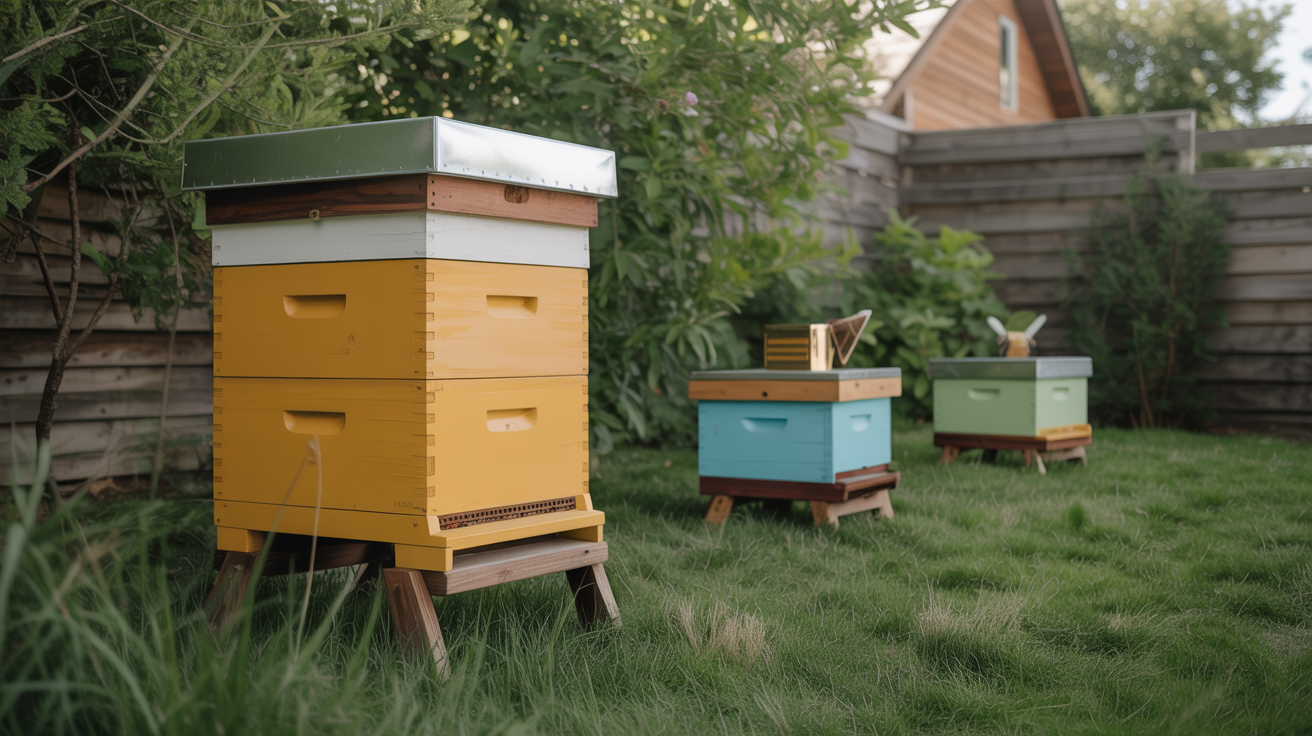
A well-placed hive makes your bees calmer, more productive, and far easier to work with. It also keeps your neighbors from ever noticing you keep bees in the first place, which is exactly the kind of relationship you want with them.
Before you buy equipment or order bees, spend an afternoon watching how light and wind move across your yard at different times of day. That hour of observation will save you months of trouble.
Sun and Shade: Getting the Balance Right
Bees are most active when it's warm. A hive that catches morning sun gets the colony moving earlier, which means more foraging hours and a stronger build-up heading into the nectar flows. Aim for at least four to six hours of direct sunlight starting in the morning, with the entrance facing the sun so bees warm up quickly after a cold night.
Afternoon shade matters more than most beginners expect, especially in the South or Southwest. A hive baking in full summer sun from noon to 7 p.m. will spend enormous energy on cooling rather than honey production. The bees cluster near the entrance fanning frantically, and a colony under prolonged heat stress can abscond. A deciduous tree that casts shade in summer and lets light through in winter is a near-perfect solution.
In northern climates the calculus reverses slightly. Full sun all day is fine, and the extra warmth in spring helps the colony build up faster after winter. If you're in Minnesota or Vermont, don't sacrifice sun for aesthetics.
High Ground vs. Low Ground
Cold air drains downhill and settles in low spots. A hive in a hollow or at the base of a slope will sit in a frost pocket on clear nights, leading to a colder, damper colony in early spring. Set the hive on slightly elevated, well-drained ground. A gentle south-facing slope is ideal.
Which Direction Should the Entrance Face?
Most experienced beekeepers orient the hive entrance toward the east or southeast. Here's why: the rising sun hits the entrance first, warming the front of the hive and triggering bees to start foraging. An east-facing entrance also means the entrance is usually sheltered from the prevailing westerly winds common across much of North America.
There's no law against a south-facing entrance, and in cold climates it's often a fine choice because south-facing spots catch the most winter warmth. What you want to avoid is a north-facing entrance in cold regions (the last spot to warm up, exposed to bitter winds) and a west-facing entrance in very hot climates (afternoon sun straight into the hive).
Adjusting for Your Specific Yard
If your lot runs east-west and you're constrained, a south-facing entrance with wind protection is a solid second choice. Bees adapt. The entrance direction is a preference, not a requirement, and even an imperfect placement will support a healthy colony if the other factors are right.
Wind Protection and Drainage
Wind is harder on a hive than most people realize. A strong prevailing wind chills the colony in winter, makes foragers reluctant to fly on gusty days, and increases drifting (bees landing at the wrong hive). A fence, hedgerow, shed, or stack of straw bales behind and to the windward side of the hive cuts the worst of it without blocking airflow entirely.
Drainage matters just as much. A hive sitting in a puddle or on soggy ground develops moisture problems: condensation inside the hive encourages chalkbrood and nosema, and a persistently damp bottom board invites small hive beetles. Set the hive on a stand that gets it at least 18 inches off the ground, on ground that sheds water after rain. A slight forward tilt (front of the hive an inch or two lower than the back) helps any rainwater that blows in drain out through the entrance rather than pooling inside.
Flight Paths and the Flyway Barrier
Bees leaving the hive fly in the direction the entrance faces. If that flight path crosses a garden path, a deck, or your neighbor's yard, you will have problems, even if the bees have no particular interest in people. A bee flying at face height is a nuisance at best.
The solution is simple: force the bees to fly up. A barrier 6 feet tall within 10 feet of the entrance, in the direction the bees will fly, makes them gain altitude immediately and fly above head height from that point on. Good barrier options include:
- A solid wooden fence (doubles as wind protection)
- A dense hedgerow of privet, arborvitae, or holly
- The side of a shed or garage
- A trellis with climbing vines
If you're in an open yard with no natural screen, even a 6-foot temporary wooden screen does the job. Bees will clear it and level off high enough to pass harmlessly over nearby pedestrians.
Access for the Beekeeper
You'll spend time behind and to the sides of the hive, so those areas need to be clear and comfortable to work in. Leave at least 4 feet of clear space behind the hive for you to stand with a hive body in your hands. Leave at least 3 feet on each side so you can open the hive from either direction depending on wind and sun angle.
Avoid placing the hive so that you're working with your back to a fence or wall. If you have to shuffle sideways every time you pull a frame, you'll dread inspections, rush through them, and miss things.
Also think about carrying equipment. Honey supers can weigh 60 pounds or more. A flat, clear path from your car or shed to the hive makes harvest day much more manageable.
Providing a Nearby Water Source
Bees need water year-round to dilute honey, cool the hive, and raise brood. If you don't give them a water source, they'll find one on their own, and that often means your neighbor's swimming pool, birdbath, or dripping hose fitting.
Set up a water station within 50 feet of the hive before your bees arrive. Bees imprint on the water source they find first, so establishing yours early makes a real difference. A simple setup: a shallow dish, a bucket fitted with a float valve, or a small stock tank with corks or wooden floats for the bees to land on. Change the water weekly in summer to prevent mosquitoes.
Avoid putting the water source directly in front of the hive entrance, as that congests flight traffic. Set it off to one side.
Distance, Screening, and Property Lines
Even a gentle colony inspires anxiety in people who don't keep bees. Placing your hive so it's screened from view and at a reasonable distance from property lines is as much about goodwill as it is about safety.
Setbacks and Local Rules
Many municipalities have ordinances governing hive placement. Common rules require hives to be set back 10 to 25 feet from property lines, sometimes more. Some cities require registration with the local agricultural authority, and a few require neighbor notification. Check with your city or county before you set up.
If you live in a neighborhood with a homeowners association, read the CC&Rs before buying anything. Some HOAs ban livestock outright and courts have consistently ruled that bees fall under that definition.
Screening From Neighbors
If your yard is small or your neighbors are close, a visual screen between the hive and the property line goes a long way. Dense plantings of flowering shrubs serve double duty: they screen the hive from view and provide foraging habitat. A solid fence achieves the same result with less space.
Registration as a beekeeper (where available) is worth doing regardless of whether it's required. It connects you to your local apiary inspector, who is a free resource for disease identification and management advice.
Ideal Site Checklist
Use this before committing to a location:
- At least 4 to 6 hours of morning sunlight on the entrance
- Afternoon shade available in hot climates
- Entrance faces east or southeast
- Elevated, well-drained ground with no standing water
- Wind protection behind and to the windward side
- Flight path leads to a 6-foot barrier within 10 feet
- 4 feet of clear working space behind the hive
- Dedicated water source within 50 feet, set up before bees arrive
- Hive screened from property lines and neighbor sightlines
- Local ordinances checked; registration completed if required
Quick Reference: Placement Factors at a Glance
| Factor | What to Aim For |
|---|---|
| Morning sun | Full sun from sunrise to at least midday |
| Afternoon shade | Helpful in USDA zones 7 and warmer |
| Entrance direction | East or southeast; south acceptable |
| Ground level | Elevated, slight slope away from hive |
| Wind | Barrier on windward side; avoid open hilltops |
| Flyway barrier | 6 ft tall, within 10 ft of entrance |
| Water source | Within 50 ft; set up before bees arrive |
| Distance from lines | Follow local rules; 10–25 ft is common |
| Beekeeper access | 4 ft clear behind, 3 ft on each side |
If you're still building out the basics of your setup, how to start beekeeping covers equipment choices and timing. Once you know where the hive is going, what beekeeping really costs in your first year helps you budget realistically. And when it's time to order bees, package bees vs. nucs lays out the trade-offs.
Frequently Asked Questions
Which way should a beehive face?
East or southeast is the most common recommendation because the morning sun hits the entrance first, warming the hive and getting bees moving earlier in the day. South-facing works well in cold climates. Avoid north-facing in any climate where winters are cold, and avoid west-facing in very hot regions where afternoon sun could overheat the colony.
Should a beehive be in sun or shade?
Both, ideally. Morning sun on the entrance is a consistent plus. Whether you need afternoon shade depends on your climate: in the Deep South or desert Southwest, afternoon shade meaningfully reduces heat stress and keeps the colony focused on production rather than cooling. In the Upper Midwest or Pacific Northwest, full sun all day is fine and helps the colony in spring and fall.
How far should a hive be from my house?
There's no single right answer, but 10 to 25 feet from doors, patios, and walkways is a reasonable starting point for most yards. The more important question is whether there's a flight path barrier between the entrance and any area where people spend time. A hive 8 feet from the house with a 6-foot fence between it and your back door is often less disruptive than a hive 30 feet away with no barrier and a flight path across the lawn.
How far from my neighbor's property?
Follow your local ordinance first; many jurisdictions set a minimum of 10 to 25 feet from property lines. Beyond the legal minimum, a visual screen (fence, hedge, shed wall) between the hive and the property line does more to maintain goodwill than raw distance alone. Talking to your neighbor before you install the hive, rather than after, is usually well received.
Can you keep bees in a small yard?
Yes, within reason. Urban and suburban beekeepers successfully manage hives on city lots. The key adaptations for small spaces are: using a flyway barrier to direct bees upward immediately, locating the water source on your property (not the neighbor's), choosing a gentle-mannered stock (Italian or Carniolan bees, not feral-caught swarms), and staying current on inspections so the colony doesn't swarm. Rooftop hives work in cities that permit them, since bees fly up by default. Check local rules first; some cities have minimum-lot-size requirements.