Getting Started
How to Start Beekeeping: A Beginner's Step-by-Step Guide
Ready to keep bees? This step-by-step guide covers gear, bee selection, hive setup, and what your first season actually looks like.
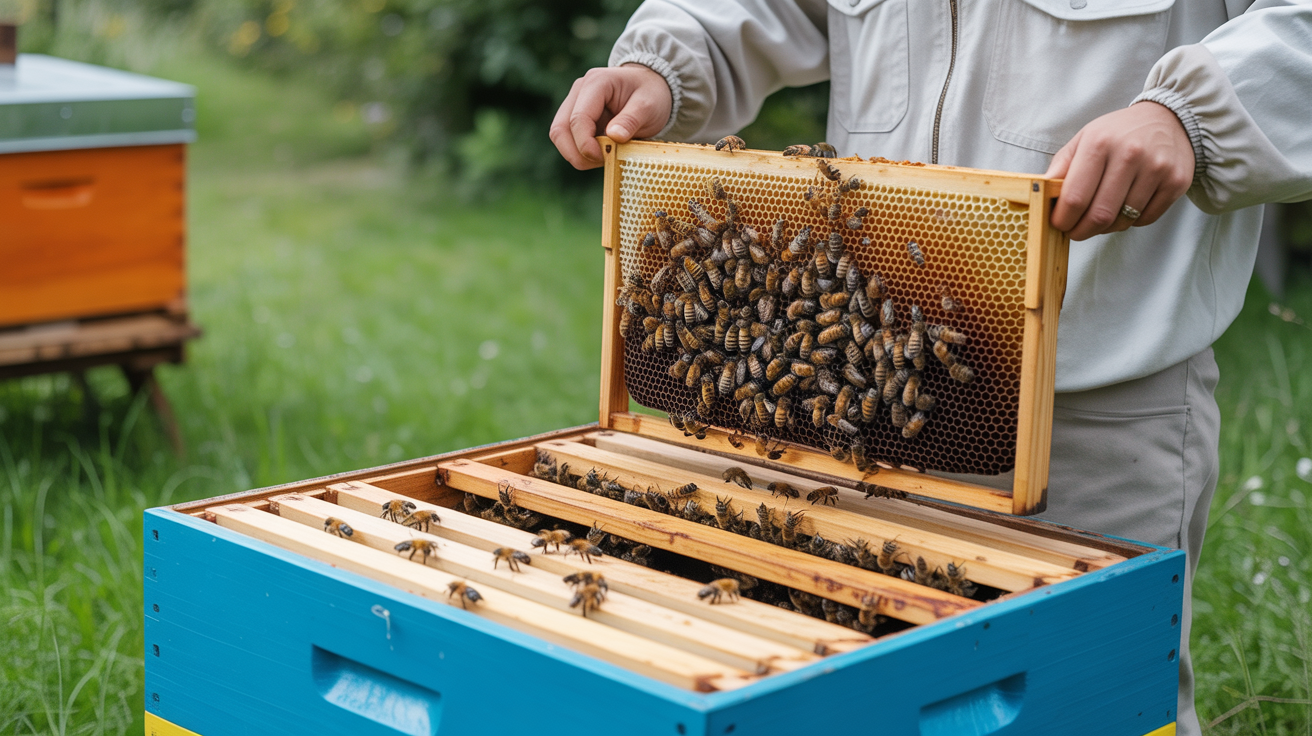
Most new beekeepers make the same mistake: they order bees before they understand bees. Get the order reversed and your first season will go dramatically better. This guide walks you through the decisions in the right sequence, from "am I actually ready for this?" all the way to pulling frames at the end of your first summer.
Is Beekeeping Right for You?
Before you spend a dollar, answer a few honest questions. Beekeeping is genuinely rewarding, but it comes with real obligations that catch beginners off guard.
Time Commitment
A single hive in good health needs about 30 minutes of inspection every 7 to 10 days during spring and summer. That sounds manageable, and it is, until you open a hive and find swarm cells or a failing queen. Troubleshooting takes longer. Plan for roughly 2 to 4 hours per month per hive once you include equipment prep and note-keeping. In winter, hives mostly look after themselves and your time drops to a monthly check on hive weight and ventilation.
Costs
Beekeeping has a real upfront cost. A fully outfitted beginner setup (one hive, protective gear, tools, and bees) runs $300 to $500 depending on your region and equipment choices. See the full breakdown at what beekeeping really costs in your first year. The good news: after year one, ongoing costs drop sharply unless you're adding hives.
Sting Allergies
A systemic allergic reaction to bee stings (anaphylaxis) is rare, but it's a genuine risk if you've had one before. If you've never been stung or if past stings caused only local swelling, you're almost certainly fine. If you've had a systemic reaction, hives, difficulty breathing, throat tightening, talk to an allergist before you start. Most people with a history of reactions can keep bees after immunotherapy, but that's a conversation to have with a doctor, not a beekeeping forum.
Local Rules
Many municipalities regulate beekeeping. Some require registration with the county or state. Some limit the number of hives per lot size. A few prohibit it outright in dense urban zones, though this is less common than it used to be. Check with your state's department of agriculture or local city ordinance before you set up. Your state apiary inspector can point you to the right regulations and is generally very willing to help new beekeepers navigate them.
Neighbor Relations
A heads-up to your nearest neighbors goes a long way. Most people warm up to the idea once they understand that honey bees are not yellow jackets and that a well-managed hive tucked against a fence or hedge is easy to miss. A jar of honey at the end of the season doesn't hurt either.
Learn Before You Buy
The single best investment a new beekeeper can make is education, and a lot of it is free.
Find a Local Bee Club
The American Beekeeping Federation maintains a club locator, and virtually every state has its own beekeeping association with chapters at the county level. A good local club offers:
- Monthly meetings with experienced keepers willing to answer questions
- Short courses (often $50 to $150) that cover a full beekeeping year in a classroom setting
- Hive inspection days where you can handle frames before you own bees
Get a Mentor
A mentor is worth more than any book. Ask your local club if they pair new beekeepers with experienced ones. Most do. Even a handful of side-by-side inspections with someone who's been keeping bees for five years will teach you to read colony behavior in a way that no written guide fully replicates.
Read One Good Book
The Beekeeper's Handbook by Diana Sammataro and Alphonse Avitabile is the closest thing to a standard reference in North American beekeeping. Beekeeping for Dummies by Howland Blackiston is more approachable if you want something lighter. Pick one and read it cover to cover before your bees arrive.
The Core Equipment
You don't need much to start, but what you need, you really need. Here's a starter checklist with approximate costs:
| Item | Why You Need It | Approx. Cost |
|---|---|---|
| Hive body (2 deeps) | Brood nest for the colony | $80–$120 |
| Frames + foundation (20) | Where bees build comb | $40–$60 |
| Ventilated bottom board | Hive floor with pest management | $25–$40 |
| Inner cover + telescoping outer cover | Weather protection | $30–$50 |
| Veil (or full suit) | Face and neck protection | $30–$80 |
| Gloves | Hand protection | $15–$30 |
| Hive tool | Prying apart propolis-glued frames | $8–$15 |
| Smoker | Calming bees during inspection | $25–$50 |
| Feeder (entrance or top) | Feeding syrup when nectar is scarce | $15–$30 |
| Hive stand | Keeps hive off damp ground | $20–$40 |
Most beekeeping suppliers sell beginner kits that bundle these items at a slight discount. Mann Lake, Dadant, and Brushy Mountain are three well-regarded North American suppliers. Buying local from a bee club or regional supplier means you can pick up equipment rather than wait on shipping, which matters when your bees arrive on a deadline.
One thing beginners often skip: a notebook or hive journal. Keep one. Date every inspection, note the queen status, estimate the bee population (light, medium, heavy), and record what you did. After a season you'll have a picture of your colony's rhythm that makes the second year much easier to manage.
Choosing and Ordering Your Bees
This decision trips up more beginners than any other. You have two main options: a package (a screened box of about 10,000 bees plus a caged, mated queen) or a nuc (a nucleus colony, usually 4 to 5 frames of comb, brood, bees, and a laying queen). The full comparison is at package bees vs. nucs: which should a beginner buy, but here's the short version:
- Packages are widely available, ship across the country, and cost roughly $150 to $175. The colony builds from scratch, so there's a slower start, and the introduced queen can sometimes be rejected.
- Nucs establish faster because the queen is already laying and there's drawn comb in the box. They typically cost $175 to $250, and local availability varies. If you can find a reputable local nuc producer, this is often the better choice for beginners because a colony already in motion is easier to read.
When to Order
Order your bees in January or February for spring delivery. Suppliers sell out, especially reputable ones with locally adapted genetics. Waiting until March to order often means mid-summer pickup at best, which shortens your first season and reduces honey stores going into winter.
Bees are typically installed in April or May depending on your climate. In the deep South, packages arrive as early as late February. In the upper Midwest or Pacific Northwest, late April to mid-May is more common. Your local club can tell you the right window for your area.
Picking the Right Hive Location
Where you put your hive affects everything from colony health to your relationship with your neighbors. The basics: how to choose the best spot for a backyard hive covers this in detail, but a few things stand out.
Face the entrance south or southeast. Morning sun hits the hive early, warming the bees and getting foragers out earlier in the day. A cold, shaded entrance means a slower-starting colony.
Avoid flight-path conflicts. Bees leaving the hive fly up and out in the direction the entrance faces. If that path crosses a sidewalk, a play area, or a neighbor's yard, you'll have problems. A tall fence or hedge behind the hive forces bees to gain altitude before they clear your property line.
Think about water. Bees need water daily. If there isn't a natural source nearby (birdbath, garden pond, slow drip), they'll find your neighbor's swimming pool or pet dish instead. Set up a water source close to the hive before you install the bees, and keep it consistent, bees are creatures of habit.
Keep it accessible for you. You'll be at this hive every week or two with a smoker and a box of equipment. Tucking it deep into brush sounds nice in theory, but you'll regret it the first time you're hauling honey supers through brambles in August.
Installing Your Bees
The installation itself is simpler than it looks. Have your smoker lit and your gear on before you open anything.
Installing a Package
- Mist the screen of the package lightly with sugar syrup so the bees are calm and occupied.
- Remove the feeder can and the queen cage from the package.
- Check the queen: she should be alive and moving in her cage. There will be a candy plug at one end, this is what the bees eat through over 3 to 5 days to release her slowly, which gives the colony time to accept her.
- Suspend the queen cage between two center frames, candy end up or horizontal (not down, candy blocking the hole prevents release).
- Pour or shake the remaining bees into the hive body over the frames.
- Close up the hive and leave it alone for 5 days before your first check.
Installing a Nuc
A nuc installation is even simpler. You're transferring 4 to 5 frames directly into your hive body, keeping them in the same order they came in (the bees have a spatial sense of where brood is). Fill the remaining space with empty frames, close up, and come back in a week.
Either way, put a feeder on the hive after installation. A 1:1 sugar syrup (one part water, one part white sugar by weight) helps a new colony build comb and raise brood while foragers get established. Keep feeding until they stop taking it down.
Your First Season: What to Expect
The first year is mostly about watching the colony grow, learning to read frames, and getting bees healthy into fall. Don't expect a honey harvest in year one, most beekeepers don't pull honey from new hives because the colony needs every ounce of stores for winter survival.
Spring (Installation Through June)
Focus on:
- Weekly inspections to confirm the queen is laying (look for eggs, not the queen herself)
- Checking for signs of swarming (capped swarm cells along the bottoms of frames)
- Monitoring the feeder and refilling as needed
- Adding a honey super once both brood boxes are about 80% full
Summer (July Through August)
The nectar flow is on in most regions. Foragers are working hard. Your inspections can stretch to every 10 to 14 days. Watch for:
- Plenty of capped honey and pollen stores
- A solid, consistent brood pattern (no shotgun pattern with lots of empty cells, which can signal disease)
- Varroa mite load, do an alcohol wash or sticky board count in mid-July, and treat if mite levels are above the action threshold (roughly 2 mites per 100 bees on a wash)
Fall (September Through October)
This is your most important work of the year. A colony that goes into winter without enough honey stores or with a high mite load probably won't come out in spring.
- Treat for Varroa in late summer if you haven't already. Oxalic acid (approved by EPA, easy to use) is the standard choice.
- Make sure the hive has at least 60 to 80 pounds of honey stores, two full deep boxes is a reasonable target in cold climates.
- Reduce the entrance to limit robbing and drafts.
Winter (November Through March)
Stop opening the hive when temperatures drop below 50°F consistently. A winter cluster generates its own heat and breaking that cluster with cold air is harmful. You can lift the back of the hive to gauge weight (lighter than expected means low stores) and peek at the entrance to watch for normal activity on warm days. Otherwise, trust the bees.
Frequently Asked Questions
How many hives should a beginner start with?
Two is better than one. Starting with two hives lets you compare them, if one is struggling, you can often tell by holding it up against the other. You can also move a frame of capped brood from a strong hive to boost a weak one. The extra cost is mainly the bees (another $150 to $200); the equipment investment is modest if you're buying in bulk.
How much time does it really take?
Budget about 1 hour per week per hive during spring and summer, including prep and cleanup. Fall and winter are much lighter, maybe an hour a month. If you enjoy the inspections (most beekeepers do), this doesn't feel like maintenance; it feels like a hobby.
Is beekeeping dangerous?
For most people, no. Stings happen, and they hurt. But a healthy person with no history of systemic allergic reactions can expect local swelling and discomfort, nothing more. Wear your gear, move deliberately, and use your smoker properly, and stings become infrequent. Bee-venom allergies affect a small percentage of the population, and a one-time severe reaction doesn't necessarily mean a lifetime ban from beekeeping, again, talk to an allergist.
How soon will I get honey?
Most beginners don't harvest in year one, and that's intentional. A colony installed in spring needs its first summer to build population and stores. If you've got a strong colony and a good nectar flow, you might pull a small harvest, maybe 20 to 40 pounds, at the end of the first summer, but only if the bees have clearly packed more than they need for winter. In year two, a healthy overwintered colony can produce 60 to 100+ pounds in a good year.
Do I need to register my hives?
In many U.S. states, yes. Registration is usually inexpensive ($10 to $30 per year) and often mandatory. It gets you on your state apiary inspector's radar, which is actually useful, inspectors can help you identify diseases and are a free diagnostic resource. Check with your state department of agriculture or your local bee club for the specifics in your area.