Hive Management
How to Requeen a Colony
Learn when and how to requeen a hive, from removing the old queen to safely introducing a new one, including tips for requeening a mean colony.
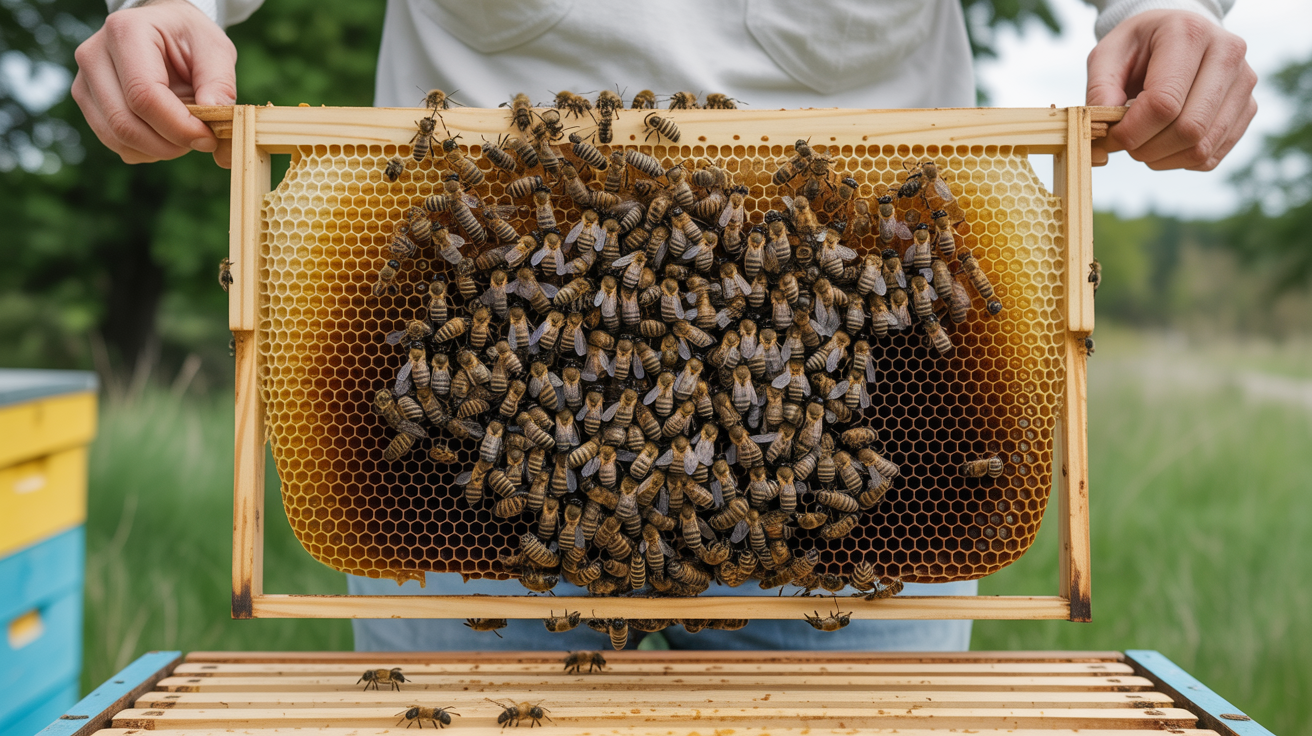
Requeening a colony means replacing the laying queen with a new one, either purchased from a breeder or raised from your own stock. It is one of the most powerful tools in a hobbyist beekeeper's kit, and once you understand why colonies benefit from it, you will stop treating it as a last resort.
When to Requeen
Most requeening decisions fall into one of four situations. Knowing which applies to your hive keeps you from acting too early or waiting too long.
The queen is failing. A healthy queen lays a tight, solid brood pattern. If you see frames where half the cells are empty, lots of drone brood scattered through worker cells, or the colony has been shrinking through the summer despite ample food, the queen is likely running out of viable sperm. Queens typically peak in their second year and decline through year three.
The colony is consistently defensive. Genetics drive temperament more than most beginners expect. A colony that follows you to the gate, stings through thick gloves, or sends guard bees at every nearby mower is telling you something about its queen. Requeening a mean hive with stock from a reputable breeder who selects for gentle behavior usually produces a noticeably calmer colony within six weeks, because that is roughly how long it takes for the new queen's offspring to make up the majority of the adult population.
You want to improve productivity or disease resistance. Breeders now select for mite-sensitive hygiene (MSH), hygienic behavior, and winter hardiness alongside temperament. Upgrading your queen is a low-cost way to improve your colony's traits without buying a whole new package.
The queen was lost. Colonies that go queenless for more than a few days will begin raising emergency queens from young larvae. Those emergency queens are often lower quality than a commercially raised one. If you catch a queenless colony early, introducing a purchased queen gives you a more predictable outcome.
Timing matters too. Late summer (August in most of the Northern Hemisphere) is a popular window because the new queen will have time to build up a solid winter population before nectar flow ends. Spring requeening also works but competes with swarm season, so plan inspections carefully.
Finding and Removing the Old Queen
You cannot introduce a new queen into a colony that still has an existing one. The workers will almost always kill the newcomer within hours. Before ordering a replacement queen, confirm you can find the queen during an inspection and have a plan to remove her.
On a calm day, work through the hive frame by frame. The queen is larger than workers, moves more slowly, and tends to move away from light. Once you spot her, pick up the frame she is on and either:
- Cage her in a push-in or JZ-BZ cage and set her aside temporarily, or
- Pinch her if you are certain the colony needs to be queenless immediately.
After removal, give the colony at least one to two hours before introducing the new queen. Some beekeepers wait until the next day to let the colony's queenless status settle in, which can increase acceptance rates. During a routine hive inspection, take your time on this step. Rushing leads to losing track of where the queen ended up.
Introducing a New Queen
A new queen arrives in a small wooden or plastic cage with a candy plug at one end and several attendant workers inside. The two most common methods for introducing her are direct release and indirect (candy-plug) release.
Indirect Release (Recommended for Most Situations)
Remove the cork or cap from the candy-plug end of the cage. Do not open the screen side. Suspend the cage between two frames, candy end up, so the bees can cluster around it but the queen cannot fall if she chews through the candy before the colony fully accepts her.
The workers on the outside of the cage will initially mob it, sometimes looking alarmingly aggressive. Over two to three days, the colony's orientation toward her shifts. By the time the bees chew through the candy plug and release her, they have had enough exposure to her pheromones to accept her as their queen. This is the standard method and works reliably for most purchased queens.
Direct Release
Direct release puts the queen immediately into the colony without a cage. It is only appropriate when:
- The colony has been queenless for more than two weeks and has no viable queen cells,
- You are certain no emergency queens were started, and
- The bees on the introduction frame are calm and not balling.
Even experienced beekeepers get burned by direct releases that go wrong. Unless you have a clear reason to skip the cage, use the indirect method.
A Practical Checklist Before You Introduce
| Step | Done? |
|---|---|
| Old queen confirmed removed | |
| Colony has been queenless 1-24 hours | |
| Candy plug end uncorked, screen end intact | |
| Cage suspended between frames, not lying flat | |
| Hive closed up; plan to leave it 3-5 days | |
| Inspection scheduled for day 5 to confirm release and early laying |
Requeening a Mean Hive
Requeening a defensive colony takes the same steps as any requeening, but there are a few things worth knowing ahead of time.
Defensive genetics do not disappear the moment the old queen is gone. The existing field bees, nurse bees, and guard bees were all raised under her genetics. They will keep their current temperament until they die off naturally, which takes about six weeks. Do not expect the colony to become gentle the week after you requeen.
During that transition period, wear full protective gear for every inspection. The colony may actually seem more irritable than usual right after requeening because queenlessness itself unsettles bees. Once the new queen's offspring begin emerging, temperament should improve steadily.
One common mistake: installing a gentle queen into a colony that has already started laying workers (a sign of long-term queenlessness). Laying workers are notoriously resistant to accepting a new queen. If you see multiple eggs per cell or scattered drone brood on worker-sized cells, you likely have laying workers and need to address that first. Shaking the colony out in front of the hive on a warm day and rehousing them is one approach, though it is a larger project.
What to Watch For After Introduction
Check the hive on day five. If the candy plug has been chewed through and the queen is gone from the cage, look for eggs. A queen typically begins laying two to four days after release. Fresh eggs (standing upright in the cell bottom) tell you she was accepted and is working.
If the cage is still intact and the candy is untouched after five days, something went wrong. Bees occasionally build comb over the cage entrance, blocking the release. Clear it gently and give them another two days.
If you open the cage and find the queen dead and surrounded by balled workers, the introduction failed. Order a replacement and give the colony another day to settle before trying again. A failed introduction is frustrating but not rare. High ambient temperature, a colony that was not actually queenless, or residual aggression from defensive stock can all contribute.
Once you have confirmed eggs and a solid laying pattern, your next focus shifts to whether the colony has enough space as the new population ramps up.
Frequently Asked Questions
How long does it take for a new queen to start laying? Most queens begin laying two to four days after their release from the introduction cage. At your five-day check you may only see eggs; by day ten you should have capped brood. If you reach two full weeks post-introduction with no eggs and no queen visible, assume the introduction failed.
Can I requeen a colony that already has queen cells? Yes, but you need to destroy all the queen cells first. If even one cell is left behind and a virgin queen hatches, she will find and kill your new mated queen before your investment pays off. Check every frame carefully, including the edges and undersides of cells. This is tedious but critical.
Does requeening prevent swarming? It helps, but it is not a guarantee. Younger queens produce more swarm-suppressing pheromones than older ones, so requeening annually does reduce swarm pressure. But a colony with strong swarming genetics, limited space, or a booming spring population can still swarm with a one-year-old queen. Managing space and doing regular inspections during swarm season are your main levers.
Where do I buy a queen? Local queen breeders are usually preferable to queens shipped long distances, because local stock is already adapted to your climate and forage. Your state or provincial beekeeping association often maintains a list of registered breeders. Packages of queens from well-known suppliers in the southern U.S. are widely used and generally reliable, but plan for shipping stress and give her a day at room temperature before introduction if she arrives cold.
What if the bees reject two queens in a row? Repeated failed introductions usually point to a colony problem rather than a queen problem. Laying workers, a hidden virgin queen, or extreme defensiveness are the most common causes. Take a full frame-by-frame look at the colony before ordering a third queen, and consider reaching out to a local beekeeper or your state apiarist for a second opinion.