Getting Started
Beekeeping Laws and Registration: What Beginners Must Know
Beekeeping laws vary by country, state, and town. Here's exactly what to look up before you set up your first hive.
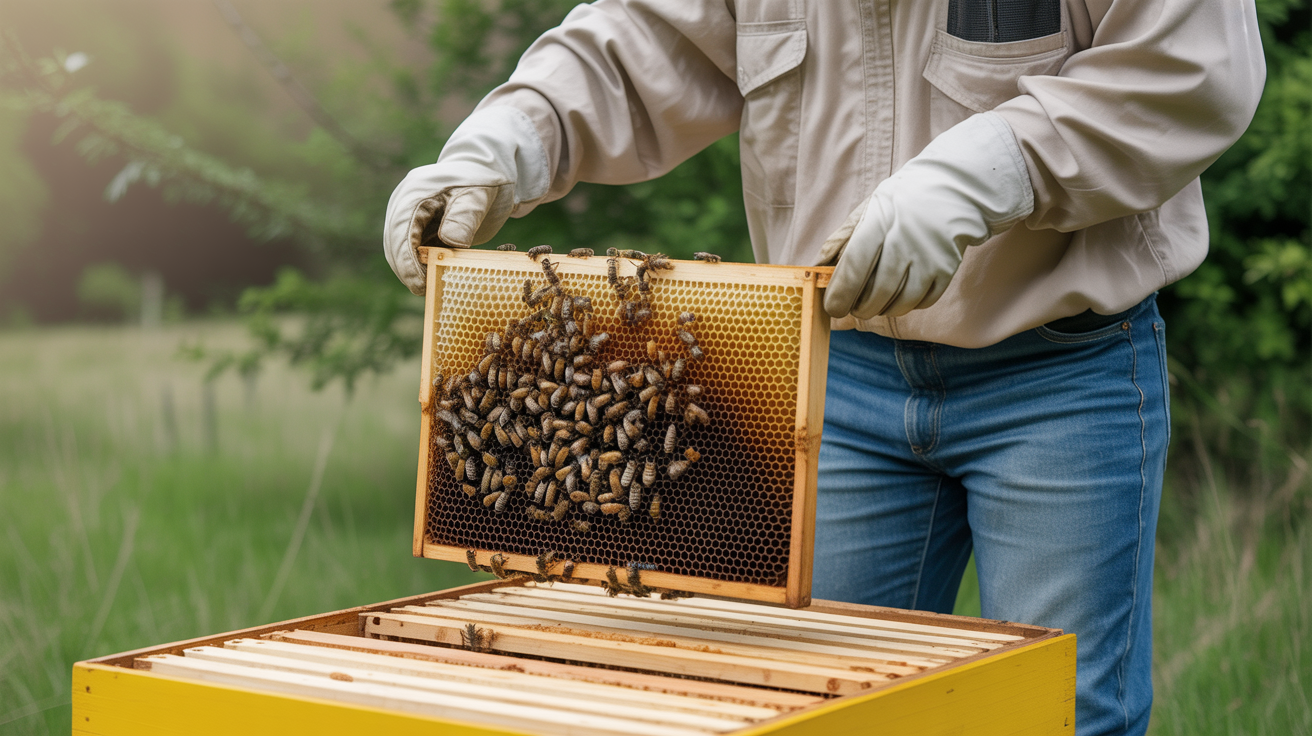
Beekeeping law is genuinely a patchwork. Your neighbor two counties over might need nothing more than a handshake with his local bee inspector, while you could be sitting under a city ordinance that bans hives entirely or a neighborhood association rule that overrides state law. This article walks through the main categories of rules you need to investigate before you ever order bees. It is general information, not legal advice, and the only authoritative answer is the one you get from your own jurisdiction.
If you are still figuring out where to start, read our guide on how to start beekeeping first, then come back here to sort out the legal groundwork.
Hive Registration and Apiary Inspection Programs
More places require hive registration than most beginners expect. In the United States, roughly 40 states have mandatory apiary registration programs. Canada, Australia, the UK, and most of the EU have similar requirements at the provincial or national level. Registration is not a trap, though. It puts your apiary on record with your state or provincial agriculture department so a bee inspector can visit, check for disease, and help you if something goes wrong.
How to register
The process is usually straightforward:
- Search "[your state/province] apiary registration" on your government's agriculture department website.
- Fill out a short form with your name, address, GPS coordinates of the apiary, and the number of hives you plan to keep.
- Pay any required fee (often $10–$25 per year, sometimes free).
- Receive your apiary number, which you may be required to paint or stamp on each hive box.
Some states register hives annually; others are one-time or biennial. Your local bee inspector can usually answer registration questions directly, so do not hesitate to call.
What inspectors look for
Registered apiaries become eligible for free inspections. Inspectors check for notifiable diseases (more on that below), mite loads, and general colony health. Inspections are overwhelmingly helpful rather than punitive. Most new beekeepers who have gone through one come away with useful advice they would not have gotten anywhere else.
Local Zoning Ordinances and HOA Rules
State registration does not override what your city, county, or homeowners association says. Local ordinances are where beginners run into the most friction, and they vary enormously.
Common restrictions to check
| Rule type | Who sets it | Example |
|---|---|---|
| Hive number limits | City or county | Max 2 hives on lots under 1/4 acre |
| Setback requirements | City or county | Hives must sit 25 ft from property lines |
| Flyway barriers | City or county | 6-ft fence or hedge directing flight up and away |
| Water source requirement | City or county | Must provide on-site water so bees don't use neighbors' pools |
| HOA restrictions | Homeowners association | May ban livestock (bees sometimes count) or require board approval |
How to find local ordinances
Search "[your city or county] municipal code beekeeping" or "urban agriculture ordinance." Many municipalities post their codes on sites like Municode or American Legal Publishing. If you cannot find it online, call your city clerk and ask which department handles livestock or urban agriculture permits.
HOA rules are separate from municipal law and are found in your CC&Rs (Covenants, Conditions, and Restrictions), which you should have received when you bought or rented. A city permit does not override an HOA ban, and an HOA approval does not exempt you from a city permit requirement. You need both to be clear.
Notifiable Disease Reporting
American Foulbrood (AFB) is the disease that drives most regulatory attention. It is caused by a spore-forming bacterium, is essentially incurable once established, and can spread to other colonies through shared equipment or robbing bees. Many states and countries list AFB as a notifiable disease, meaning if you suspect it, you are legally required to report it to your bee inspector or state agriculture department rather than quietly dealing with it yourself.
European Foulbrood, Small Hive Beetle, and Varroa mite are also regulated in various jurisdictions. Some places require you to burn infected equipment; others have quarantine zones.
The takeaway: familiarize yourself with the reportable diseases list in your state or country before your first season. Your state agriculture department's apiary section publishes this. Knowing the signs of AFB is also worth more than almost any other piece of disease education you can do as a beginner.
Selling Honey: Cottage Food Laws and Labeling
If you plan to sell any of your honey, you move into a different regulatory category. Most jurisdictions handle small-scale honey sales under cottage food laws, which typically allow you to sell directly to consumers (at farmers' markets, farm stands, or from your home) without a commercial kitchen license.
What to check before you sell
- Cottage food eligibility: Is honey included in your state or province's cottage food exemption? Most US states include it; some do not.
- Sales channel restrictions: Some laws permit only direct-to-consumer sales and prohibit selling wholesale to grocery stores.
- Revenue caps: Several states cap annual cottage food sales (commonly $5,000–$50,000 depending on the state).
- Labeling requirements: Even cottage food laws usually mandate specific label fields: your name and address, the product name ("raw honey" vs. "honey"), net weight, and sometimes a statement like "Made in a home kitchen."
Your state's department of agriculture website is the right place to look, under something like "cottage food program" or "home processor exemption." If you plan to sell at a farmers' market, the market manager will often have a checklist of what the market requires on top of state rules.
Being a Good Neighbor as Risk Management
Regulations aside, neighbor relations are a real risk management layer for backyard beekeepers. A sting complaint to animal control can trigger an investigation even if you are fully compliant. A proactive conversation before you set up hives is far cheaper than a dispute after.
Before your first hive arrives:
- Tell immediate neighbors what you plan to do and why it will not affect them.
- Explain that honey bees are not yellowjackets and that defensive behavior is minimal with well-managed hives.
- Offer them a jar of honey at harvest. It sounds small, but it genuinely changes the dynamic.
- Orient hive entrances so the bees' flight path crosses your yard, not theirs.
- Install a flyway barrier (a fence or tall shrubs) if hives are close to a shared property line. Bees clear a barrier quickly and fly at altitude over it, which keeps them out of neighbors' faces.
Managing swarms is part of this, too. A swarm landing in a neighbor's yard is legal and biological, but it erodes goodwill fast. Keeping your colony from getting crowded (by adding supers early or splitting in spring) prevents most swarms. See our article on first-year costs for context on how much prevention equipment actually runs.
Before-You-Get-Bees Checklist
Work through this list before you order bees or build equipment:
- Search "[state/province] apiary registration" and register before or immediately after getting bees
- Identify your local bee inspector's contact information (usually on the agriculture department site)
- Check your city or county municipal code for beekeeping ordinances, hive limits, and setback rules
- Review your HOA CC&Rs if applicable
- Confirm whether you need a flyway barrier and water source under local rules
- Look up your state or country's list of notifiable bee diseases
- If you plan to sell honey, check your cottage food exemption eligibility and labeling requirements
- Talk to your immediate neighbors before the bees arrive
Frequently Asked Questions
Do I have to register my beehive?
It depends on where you live. Around 40 US states require registration, as do most Canadian provinces, the UK, Australia, and EU member states. Even where registration is not mandatory, it is often a good idea: it gives you access to free inspections and puts you on the radar of your local bee inspector in case you need help. Search "[your state or country] apiary registration" to get the definitive answer for your area.
Can my city ban beekeeping entirely?
Yes. Some municipalities prohibit keeping bees outright, particularly in older ordinances that lump them in with livestock. Others have no rules at all. There is no nationwide standard. If your city bans bees and you keep them anyway, you are exposed to complaints and fines regardless of state-level registration. Always check local ordinances before state rules, because local rules are usually more restrictive.
Do I need a permit to sell honey?
Typically no formal permit, but you usually need to comply with your state or province's cottage food law to sell legally. That often means direct-to-consumer sales only, specific labeling, and sometimes a revenue cap. If you want to sell wholesale to stores, you may need a commercial kitchen license or food processor registration. Check with your state department of agriculture before your first sale.
What are setback rules, and how do they work?
Setback rules specify the minimum distance between your hives and a property boundary, structure, or public walkway. A common example: hives must be at least 25 feet from the nearest property line, or 10 feet if a 6-foot barrier is in place. The barrier rule is practical because it forces bees to fly upward immediately, which keeps them from crossing at face height. Your city or county municipal code will spell out the exact numbers. If there is no beekeeping ordinance at all, general nuisance law still applies.
Do HOAs allow beekeeping?
Some do, some don't, and a few require board approval on a case-by-case basis. Check your CC&Rs under sections covering animals, livestock, or nuisances. If your CC&Rs are silent on bees, that is not the same as permission: the board may still be able to act under a general nuisance clause. If you want to keep bees and your HOA is ambiguous, consider requesting a formal written ruling before you invest in equipment. Some beekeepers have successfully lobbied HOA boards by presenting data on pollination benefits and attending a board meeting in person.
If you are in the early planning stages, our guide on package bees vs nucs covers the next practical decision you will need to make once the legal side is sorted.