Hives & Equipment
Bee Suits, Jackets, and Veils: What Protection You Actually Need
Full suit, jacket, or just a veil? Learn what beekeeping protection actually makes sense based on your experience level, climate, and hive temperament.
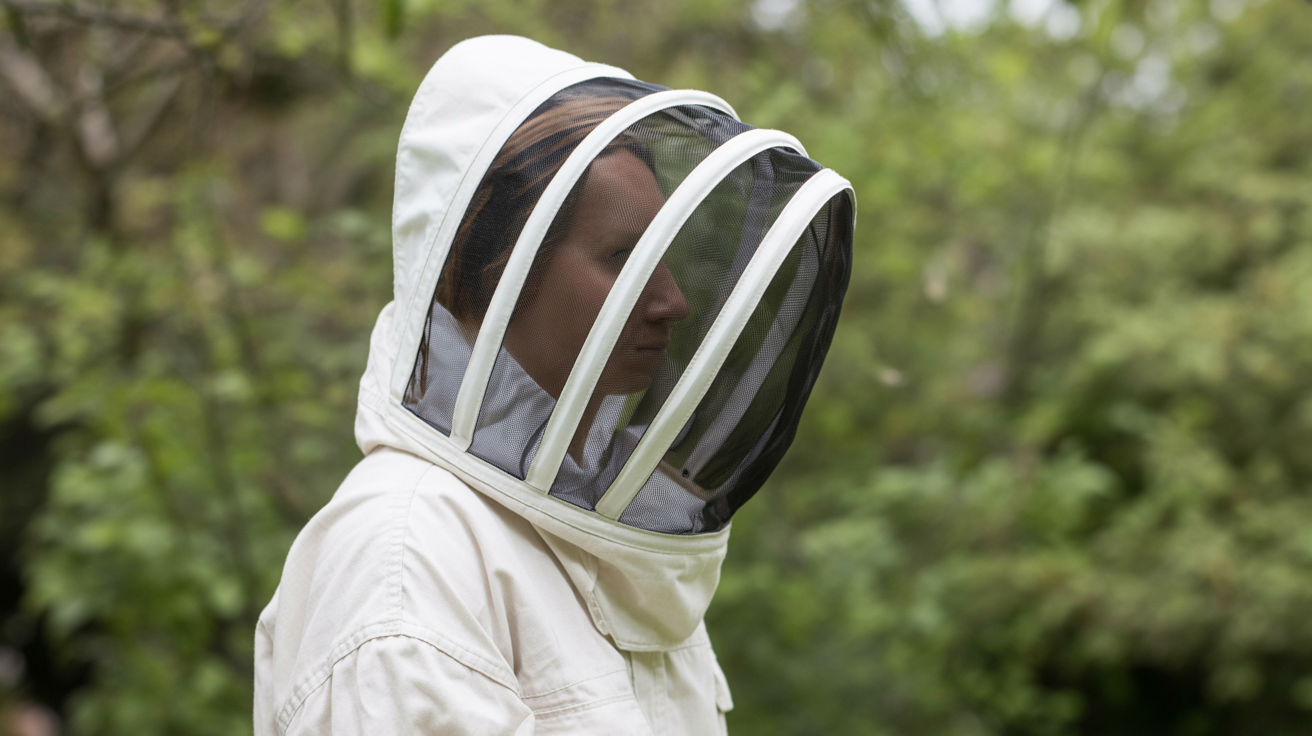
Good protection isn't just about avoiding stings. A beekeeper who feels safe moves slowly and deliberately, reads the bees without flinching, and keeps the hive calm. One who's anxious about getting stung tends to rush, swat, and generally make things worse. Gear that gives you confidence is gear that makes you a better beekeeper, even before a single bee bounces off the fabric.
That said, no suit is a guarantee. Understanding what each piece of gear actually does, and where it falls short, helps you build a kit you'll trust.
Why the Veil Is Non-Negotiable
You can argue about gloves. You can debate full suit versus jacket. You cannot skip the veil.
Stings to the face are disproportionately dangerous. The skin around the eyes, lips, and throat is thin and reactive, swelling is fast, and a sting inside the nostril or near the eye is genuinely painful in a way a forearm sting is not. More practically, bees are attracted to breath (carbon dioxide) and dark openings. Your face is a target.
Veil Types
Round hat-and-veil (fencing veil): The most common beginner choice. A hat with a stiff brim suspends a mesh cylinder around the face, keeping the veil away from your skin. The mesh attaches to a collar or a zip-on jacket. Good visibility, easy to put on, and the cage structure means the veil stays off your face even if you bend over. Downside: bulkier, can snag on hive components.
Hooded veil: Built into a jacket or suit, with a rigid wire frame sewn into the hood. The veil folds back out of the way when you're not working and zips down over the face. More streamlined than a fencing veil, and because it's integrated, there's no separate piece to forget. This is the style on most modern full suits.
Veil-only (hat veil / drape veil): A mesh drape that hangs from a hat brim. Cheap and packable, but the mesh can rest against your skin if you bend forward, which negates its protection. Fine as a backup, not ideal as a primary setup.
For most beginners, a hooded jacket or suit is the cleaner choice because the veil is always attached and always correctly positioned.
Full Suit vs. Jacket: Coverage vs. Heat
The honest answer is that both work. The decision comes down to how hot your summers are, how defensive your bees tend to be, and your personal comfort with risk.
| Feature | Full Suit | Jacket | Veil Only |
|---|---|---|---|
| Coverage | Head to toe | Head to waist | Face only |
| Heat | Hottest | Moderate | Coolest |
| Typical cost | $80–$200 | $40–$120 | $20–$60 |
| Best for | Beginners, defensive hives, full inspections | Experienced keepers, mild climates, quick checks | Experienced keepers, very calm bees |
A full suit protects your legs, ankles, and torso without requiring extra thought. You zip it up, seal the cuffs, and you're covered. It's the lowest-stress option for someone still learning to read a hive.
A jacket leaves your legs exposed, which means bees can land on your pants and potentially sting through thin fabric. Many experienced keepers work in thick jeans or canvas pants and do fine. Beginners tend to feel a bee on their leg and react, which is exactly the wrong move.
Veil-only work is for experienced keepers with calm, well-established colonies, and even then, most still wear gloves and long sleeves. It's a heat management strategy, not a beginner approach.
Ventilated Suits in Hot Climates
A standard cotton or poly-cotton suit on a humid July afternoon is genuinely miserable. If you're in the South, Southwest, or anywhere with a hot summer, a ventilated suit pays for itself in comfort.
How They Work
Ventilated suits use a three-layer construction: two layers of mesh with a middle layer of foam or coarser mesh between them. Bees can't sting through the gap. Air moves through freely. They're significantly cooler than woven fabric suits.
The trade-off is cost: ventilated suits run $150–$350 versus $60–$120 for basic woven suits. They also tend to be bulkier and don't compress as easily for storage.
If you're inspecting hives regularly through June, July, and August, the ventilated option is worth the price. If you're in a northern climate with mild summers, a standard cotton-blend suit is fine.
Gloves: Leather, Nitrile, or Bare Hands
Beekeeping gloves generate more debate than almost any other piece of gear, which is useful to know because it means neither camp is obviously right.
The Case for Thick Leather Gloves
For beginners, leather gloves are the sensible choice. They're nearly sting-proof, forgiving of awkward grip, and let you focus on the hive instead of your hands. The downside is reduced dexterity, which can make handling frames slower and clumsier.
The Case for Nitrile or Thin Latex
Many intermediate keepers switch to nitrile surgical gloves or thin rubber gloves. You can still get stung through nitrile, but you feel the frames properly, can manipulate bees gently without crushing them, and the gloves don't hold alarm pheromone the way thick leather can after repeated stings.
Going Bare
Experienced keepers often work bare-handed with calm colonies, especially for short inspections. The dexterity is unmatched. The risk is real. A sting to the knuckle or between fingers is uncomfortable and takes a couple of days to resolve. Stings also desensitize over time, so keepers who have been at it for years accumulate some tolerance. Beginners should not start bare-handed, particularly because they don't yet know if they have a strong allergic reaction.
Allergy Risk
Anyone working bees should know their reaction history. If you've had a systemic reaction (hives spreading beyond the sting site, throat tightness, dizziness), talk to a doctor before keeping bees. An epinephrine auto-injector at the apiary is reasonable for anyone with a history of significant reactions. No suit changes the systemic allergy risk since stings will eventually get through.
Color and Material: Light and Smooth
Bees respond defensively to dark colors. Bears and skunks are dark; bees evolved to defend against them. White and light khaki are traditional for a reason.
Smooth fabric matters too. Knobby textures, fuzzy fleece, or rough canvas give bees something to grab, and a bee that's tangled in fabric is a bee that's going to sting. Tightly woven cotton or poly-cotton, smooth on the outside, gives them less purchase.
Avoid floral patterns (sometimes recommended humorously but genuinely worth skipping) and strong fragrances. Scent from sunscreen, cologne, or hair products can make bees more alert.
Fit and Sealing
A suit that gaps at the wrists or ankles is a trap. Bees crawl upward when they find a way in and then sting when they feel enclosed. A single bee inside a suit will cause far more chaos than a dozen bouncing off the outside.
Check these points every time you suit up:
- Ankles: Tuck pants into boots, or use elastic cuffs that grip the boot top. Rubber bands in a pinch.
- Wrists: Glove cuffs should overlap the sleeve cuffs and stay there. Some keepers use tape or elastic for a positive seal.
- Zipper: Make sure the hood zipper is fully seated. A zipper that's 90% closed still leaves a gap.
- Veil-to-collar contact: If your veil attaches separately, press it down all the way around. Gaps at the shoulder are common.
First-Year Setup: What to Buy
For a new beekeeper working one or two hives:
- Full ventilated suit with integrated hood (if budget allows and climate is warm) OR a standard full suit in a cool climate
- Fencing-style or integrated hooded veil (already included if you buy a suit with a hood)
- Leather beekeeping gloves with long cuffs that extend over the sleeve
- Light-colored, smooth-fabric pants and a long-sleeve shirt for days you're doing quick checks in just the jacket
- Rubber-soled boots that your ankle cuffs can seal over
You do not need to buy the most expensive suit in the catalog. A $80–$100 basic full suit from a reputable supplier will serve you through your first two or three seasons. Upgrade to ventilated fabric once you know how often you're inspecting and how hot your apiary gets.
For more on setting up as a new beekeeper, see the beekeeping starter kit worth buying first for a full gear checklist beyond just protective wear.
Once you're ready to think about hive hardware, choosing your first hive walks through the main hive styles, and deeps vs mediums covers box sizing decisions that affect how much lifting you'll be doing in that suit.
Frequently Asked Questions
Do I need a full suit or will a jacket work?
For your first season, a full suit is the lower-stress choice. You have enough to learn about the bees without also worrying about whether your legs are exposed. Once you're comfortable reading hive temperament and moving slowly, a jacket is a reasonable step down for warmer months.
Are gloves necessary?
Technically no, but practically yes for beginners. The goal early on is to build good habits and stay calm in the hive. Getting stung on the hand is a distraction. Wear leather gloves until you're comfortable enough that dexterity genuinely limits what you're doing.
What color should a bee suit be?
White or light khaki. Bees are defensive around dark colors. Most commercial suits come in white or off-white for this reason. If you're buying a suit and see it in a dark color, skip it.
Will a bee suit stop all stings?
No. A quality suit stops most stings in most situations, but bees can find thin spots, gaps at seams, and any opening you've left unsealed. In a heavily defensive hive during a manipulation that's going poorly, some stings will get through even a good suit. This is partly why behavior matters alongside gear: a calm inspection with adequate smoke will produce fewer defensive bees than a rushed one.
Are ventilated suits worth the extra money?
If you're inspecting regularly in hot weather, yes. A standard suit in 90°F heat is unpleasant enough that some keepers start cutting corners (partially unzipping, going without gloves, rushing) which is worse than the heat itself. Ventilated suits are genuinely cooler and make it easier to take your time. If you keep bees in a mild climate or only inspect occasionally, a standard suit is fine.