Bee Health
Small Hive Beetle: Prevention and Control
Learn how to identify, prevent, and control small hive beetle before it destroys your colony. Practical traps, management tips, and what to do if your hive g...
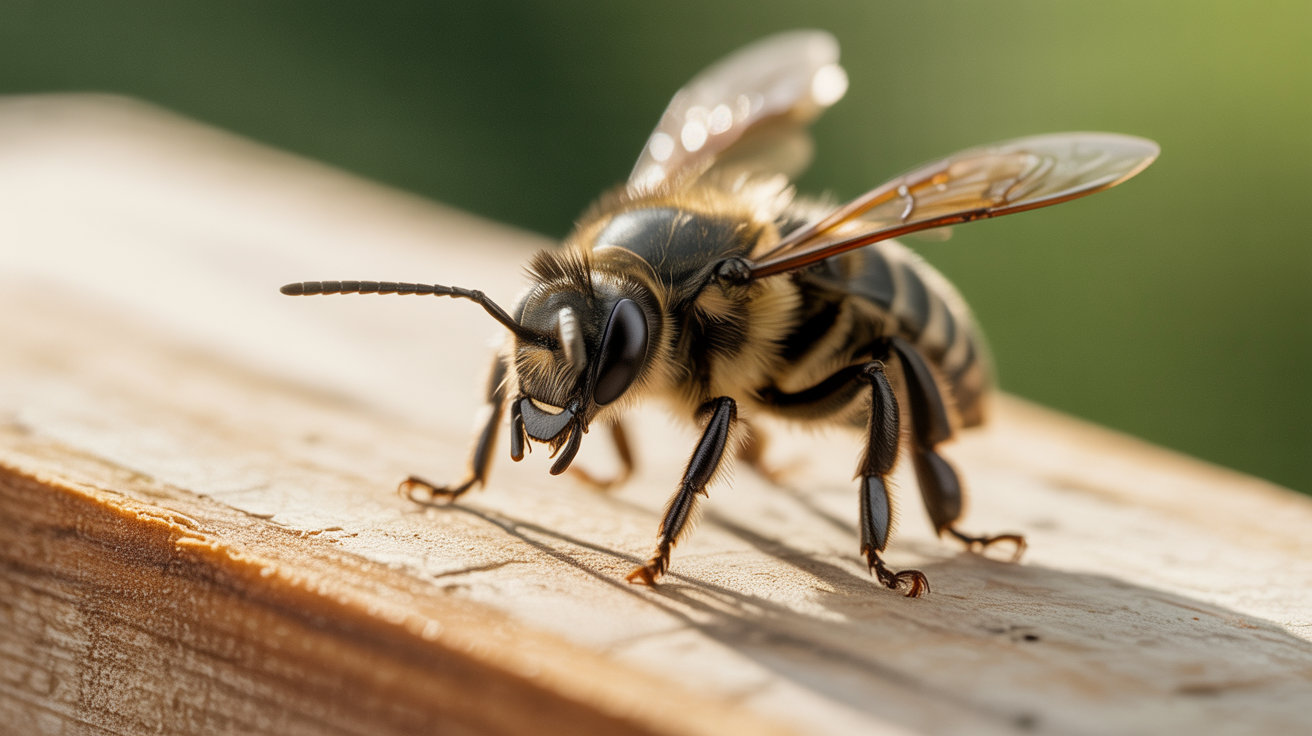
Small hive beetle (Aethina tumida) is a real threat in warm climates, but a strong colony with good management can keep beetle populations under control without chemicals. Here is what you need to know to stay ahead of them.
What Is Small Hive Beetle?
Small hive beetle is a scavenger originally from sub-Saharan Africa. It arrived in the United States in 1998 and has since spread across most of the country, especially in the Southeast, Gulf Coast, and California. It also appears in Australia, parts of Europe, and Canada.
The adult beetle is about 5-7 mm long, roughly one-third the size of a honey bee. It is oval, dark brown to black, and runs fast when you expose it during an inspection. Bees will sometimes chase beetles across a frame, but they cannot always catch them.
The real damage is done by the larvae. Female beetles lay eggs in crevices, in pollen stores, or in comb. The larvae hatch within a few days, burrow through comb, feed on honey and pollen, and defecate as they go. That frass ferments the honey, turning it into a slimy, foamy mess that smells like rotting oranges. This is what beekeepers call a "slimed out hive" and it is exactly as bad as it sounds: the bees often abscond and leave the entire hive a write-off.
The larvae then exit the hive to pupate in soil near the entrance. Adults fly back in and the cycle starts over.
Which Colonies Are at Risk?
Not every hive will have a beetle problem, but certain conditions make an infestation far more likely.
Warm, humid climates. Beetle populations peak in late summer and early fall in most of the US. If you are in Georgia, Florida, or the Gulf states, beetles are a constant management task, not an occasional concern.
Weak colonies. A strong colony with plenty of bees will corral beetles into corners and hold them there under guard, sometimes daubing them with propolis so they cannot move. A colony that has been split, lost its queen, or is declining from varroa mites or disease cannot keep up beetle patrol. Population loss is the number one predictor of a beetle problem turning into a beetle disaster.
Oversized equipment. A nucleus colony in a full ten-frame deep has more space than it can police. Match your box size to your bee population.
Neglected inspections. Beetles breed fast. A small cluster of beetles noticed in April can be a full-blown infestation by July if nothing is done.
Preventing Small Hive Beetle
Prevention is mostly about keeping your colony population high and your equipment right-sized. A few additional steps help significantly.
Hive placement and site conditions
Beetles pupate in soil. Sandy, moist soil close to the hive gives them ideal conditions. Where you have a choice, place hives on stands over dry ground or even gravel. Full sun on the hive entrance slows beetle activity; heavily shaded apiaries in warm climates tend to have worse beetle pressure.
Equipment practices
- Keep boxes full of bees. If you are running a ten-frame hive, remove empty supers the bees are not using. Give them only the space they can cover.
- Inspect brood regularly. Once every 7-10 days during beetle season is not excessive in high-pressure areas. Look in the corners of frames and along the bottom board.
- Clean up spilled pollen and comb scraps. Beetles are scavengers and will breed in anything left in the hive body or on the bottom board.
- Freeze drawn comb in storage. If you pull supers and store comb, freeze it for 24-48 hours first to kill any eggs or larvae hiding in it.
Know what else is weakening your hive
Beetles rarely destroy a healthy, populous colony on their own. If you see your population dropping, look for the underlying cause. Varroa mites are the most common reason colonies weaken in late summer, which is also peak beetle season. Running a mite wash or sugar roll will tell you whether varroa is contributing. Brood diseases are another reason populations crash; check for the signs of American and European foulbrood if your brood pattern looks off.
Hive Beetle Traps
Traps are the most practical tool for controlling small hive beetle without chemicals. Most work by luring beetles into a chamber filled with oil, where they drown.
Oil traps
The most widely used designs are troughs or tubes that sit in the hive and hold vegetable or mineral oil. The bees chase beetles into the trap, the beetles fall in and cannot get out. Common commercial options include:
| Trap Type | Placement | Notes |
|---|---|---|
| AJ's Beetle Eater | Bottom board slot | Wide shallow trough, holds good volume of oil |
| West Beetle Trap | Frame top bar slot | Sits between frames, useful in crowded brood box |
| Beetle Blaster | Between frames | Small tube design, easy to check |
| Bottom board slide | Replaces sticky board | Some screened bottom boards have a tray; add oil to it |
Vegetable oil works fine. Some beekeepers add a drop of apple cider vinegar as extra attractant, though the main lure is just the smell of the hive itself. Check traps every inspection and refill as needed. An overfull trap can spill into the hive.
Soil treatments
Since larvae pupate in soil, a soil drench around the hive with an approved pesticide (permethrin-based products labeled for this use) kills pupae before they can complete the cycle. This is most useful in high-pressure apiaries. Follow label directions and keep the product away from the hive entrance and any water sources.
What does not work well
Bait traps using pollen or honey placed outside the hive can draw more beetles to the apiary than they catch. Be cautious with any trap design that requires opening the hive frequently during a heavy beetle press, as that disrupts the bees' own patrol behavior.
If Your Hive Is Already Slimed Out
A slimed-out hive is a genuine emergency. The foam and fermented honey are toxic to bees at high concentration and the smell drives them out.
- Move the hive body well away from the apiary. Do not leave it near other hives.
- Check for surviving bees and brood. If a viable cluster remains with a queen and some solid brood, you can try to save it. Move them into a clean, smaller box with fresh comb and a tight entrance.
- Freeze or destroy all slimed comb. Do not extract it. Burning or double-bagging and trashing is the safest option.
- Clean and scorch the woodware. A propane torch run quickly over the inside surfaces of boxes kills eggs and larvae in cracks.
- Add beetle traps immediately in the rebuilt colony and watch the population closely for the next several weeks.
If the colony has absconded and no bees remain, the woodware can still be salvaged with a thorough cleaning and scorching. Do not leave an empty slimed hive sitting in the apiary; it will attract beetles and wax moths.
Frequently Asked Questions
Do small hive beetles kill colonies on their own? A truly strong, fully populated colony almost never gets slimed out. Beetles are opportunists. They overwhelm colonies that are already weakened by varroa, disease, queenlessness, or a population crash. Keep your colony healthy and populated and beetles rarely reach destructive numbers.
How many traps should I use per hive? One to two traps per hive is typical. More than that is usually not necessary and gives you more oil to manage. Focus on placement: one trap near the back of the brood box and one closer to the front covers the corners where beetles like to cluster.
Can small hive beetle survive northern winters? In areas with hard freezes, beetle populations crash over winter because the adults and larvae cannot survive cold temperatures. Beekeepers in Maine or Minnesota see far less beetle pressure than those in Louisiana. That said, beetles do appear across much of the country during warm months, so even northern beekeepers should know what to look for.
Is there a resistant bee line that handles beetles better? Some breeders have selected for bee lines that show stronger "herding" behavior, actively chasing and corralling beetles rather than ignoring them. VSH (Varroa Sensitive Hygiene) and locally-adapted survivor stock sometimes show this trait, though it is not yet consistently bred for. Using locally adapted stock from your region is generally better than importing package bees that have no history with your local beetle pressure.
My trap is full of dead bees, not beetles. What am I doing wrong? Traps placed directly in the brood cluster path will catch foragers and nurse bees falling in accidentally. Move the trap to a corner or along the hive wall rather than between heavily-trafficked frames. Also check that the opening is sized correctly for the design; some traps have an entry hole small enough to exclude bees but most commercial designs rely on placement rather than size exclusion.